





Thermoformed Electrical Enclosures: An Example Design and Sample Review
Prepared for HAWSON · Example Project Workflow
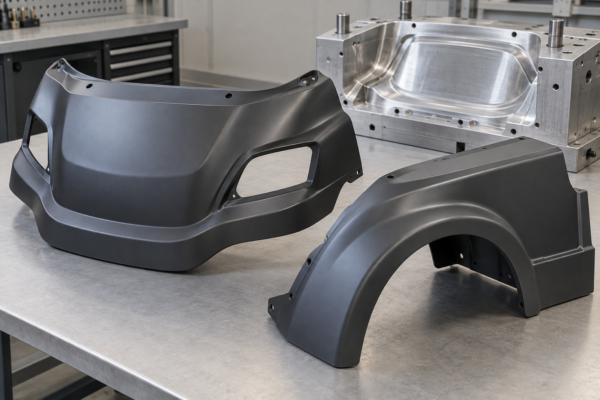
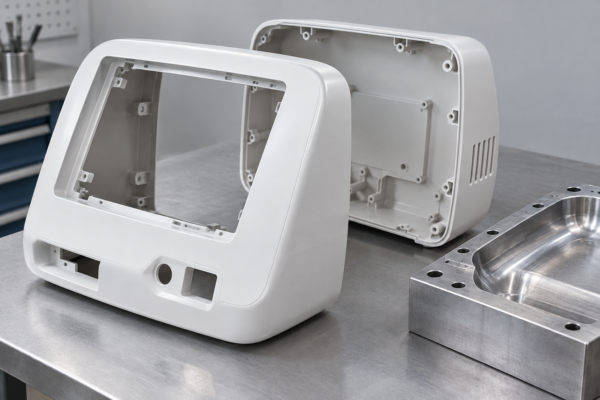
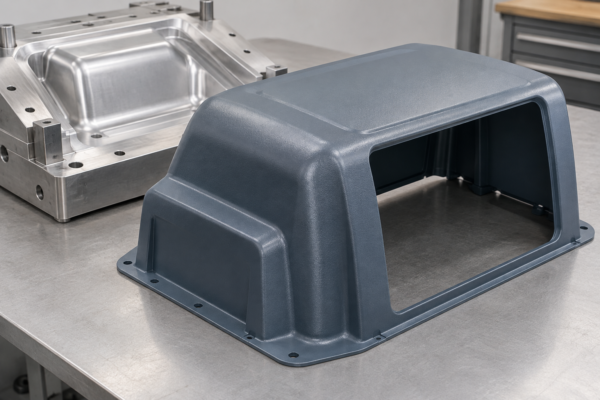
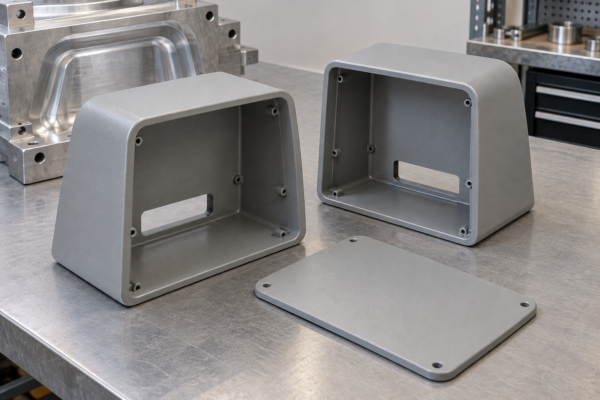
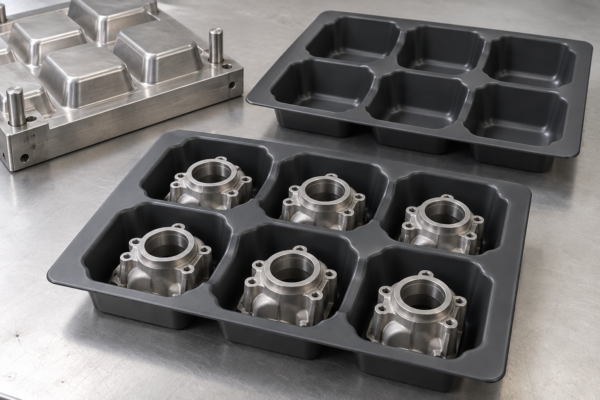
Illustrative case: This scenario is fictional and explains a proposed engineering workflow. It is not a record of a completed customer project. The image is AI-generated, not a customer photograph.
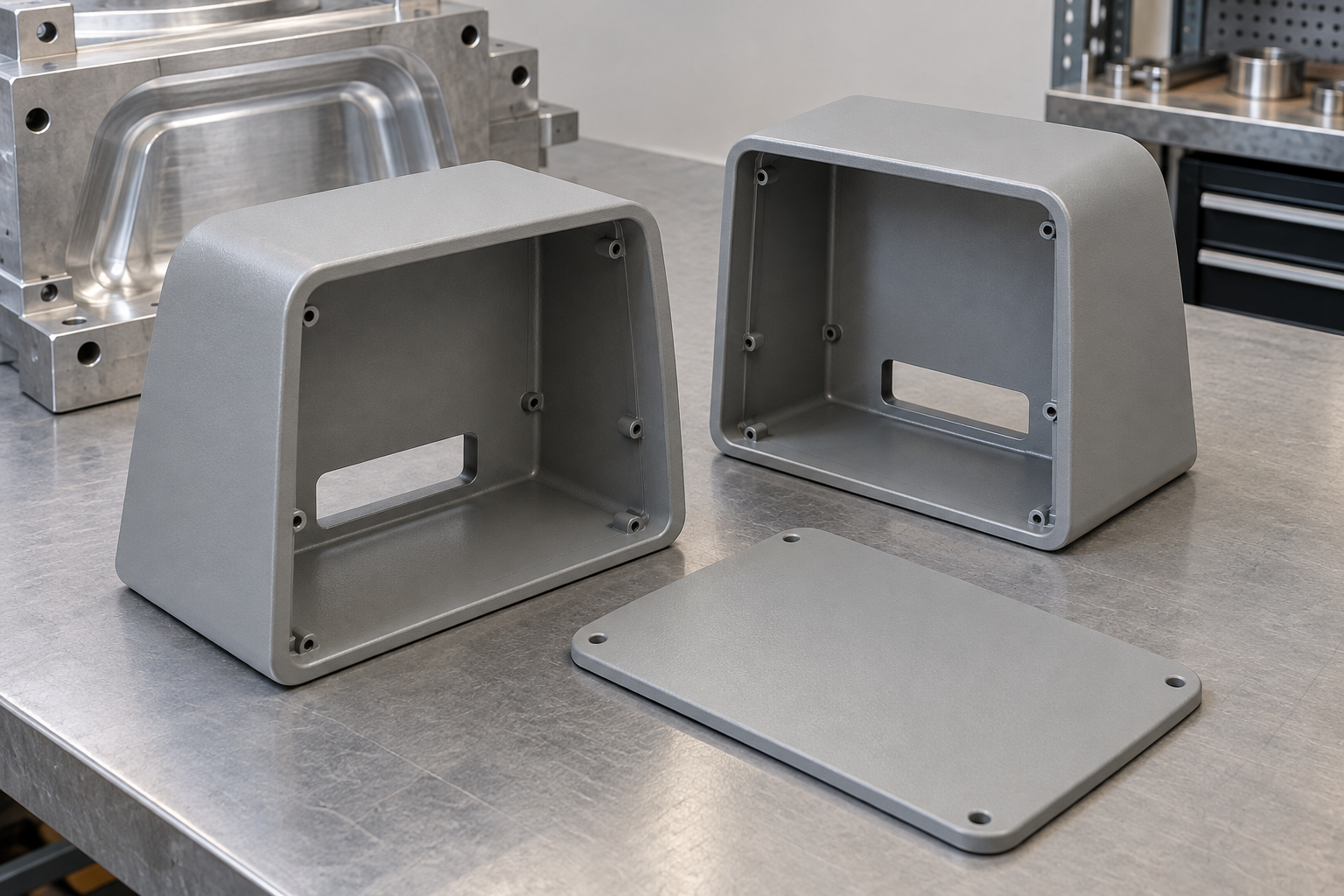
An illustrative electrical enclosure project covering material requirements, cable-access communication, mold manufacture and component acceptance.
Project brief: a plastic equipment enclosure shell
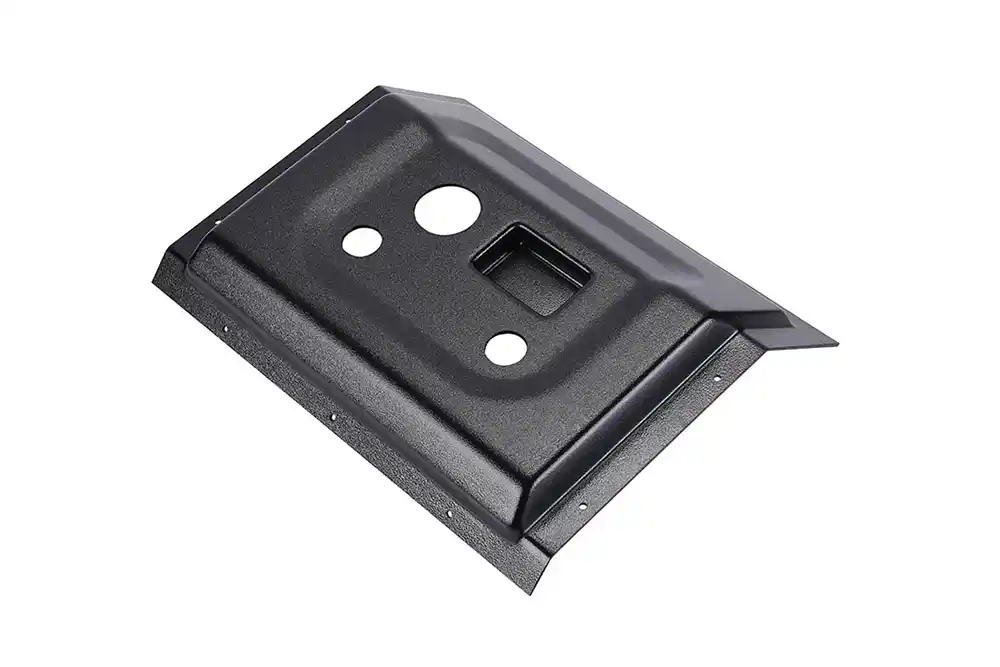
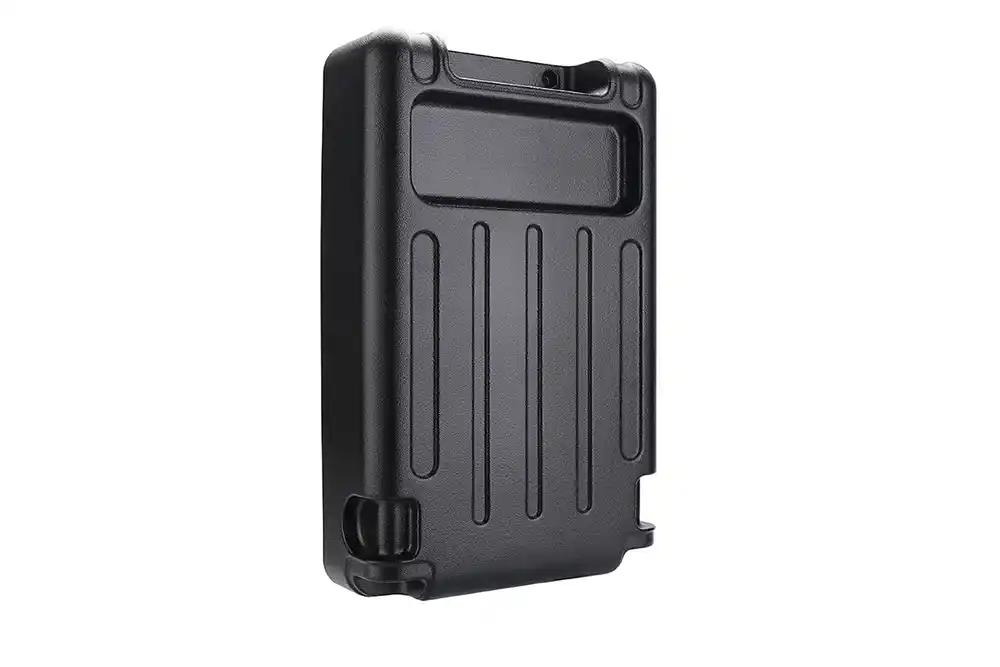
This simulated development case considers a gray plastic exterior shell with a removable service panel and a cable-access opening. The OEM has an internal chassis and needs an enclosure component with agreed appearance and assembly interfaces. The design challenge is keeping the enclosure scope clear while accommodating connectors, mounting hardware and service access.
The project is fictional and has no reported certification or delivery result. The generated image is a concept visualization. Internal attachment features may require secondary components and are not proof that a complex assembly can be formed in one operation.
Communication: agree the component and system responsibilities
The first review would ask where the equipment will operate, what heat sources it contains and which electrical, fire or ingress requirements apply. The customer would provide the chassis layout, cable and connector envelopes, mounting method and any required material documentation.
In this example, a proposed ventilation slot creates an open question about enclosure protection. The team would record the conflict and ask the system designer to approve an appropriate arrangement. The shell supplier should not resolve it by claiming an ingress rating without evidence. The agreed component scope would distinguish the shell, panel, gasket, hardware and complete-system validation.
Material and drawing review
ABS may be considered for a rigid sheet-formed shell, but a generic polymer name is insufficient when specific performance is required. Primex lists several ABS sheet families, including an ignition-resistant option. That does not establish a fire classification for an unspecified sheet or for a completed enclosure.
The RFQ would identify the required grade or documented performance needs. Design review would address heat clearances, cable access, release direction and mounting surfaces. The drawing would state critical dimensions and inspection references. Unspecified “waterproof” or “electrically safe” wording would be replaced with agreed, evidence-based requirements.
Mold manufacturing and secondary attachment planning
The forming-tool review would establish the controlled surface and a release approach for the shell. The service-panel interface and cable opening would be reviewed with the trim plan. Any inserts or attached fastening points would have their own manufacturing and inspection scope.
After tool approval, the proposed sequence would prepare the tool blank, machine the forming surface, prepare evacuation and temperature-control features, finish the surface and verify the setup. A trial plan would state which sheet and geometry revision are being evaluated. No actual process temperature or tolerance is inferred from this fictional scenario.
CNC trimming would use a defined fixture and references. The cable opening should be positioned against the actual connector arrangement, while the panel interface should be checked with the intended hardware. Changes to either would require a controlled drawing revision.
Trial samples and customer feedback
The sample review would combine dimensional checks with a fit assessment on the internal chassis. It would record panel seating, cable clearance, fastening access and the approved appearance. If a sealing arrangement is required, its assembly and validation would be reviewed under the customer’s agreed plan.
An example feedback item is a connector that cannot pass through the proposed opening during installation. The response would compare the connector model, opening drawing and assembly sequence, then agree a change before the next trim trial. The inspection report would show which revision was assessed. No fictional result would be presented as a completed rating test.
Release documents and a factual-case checklist
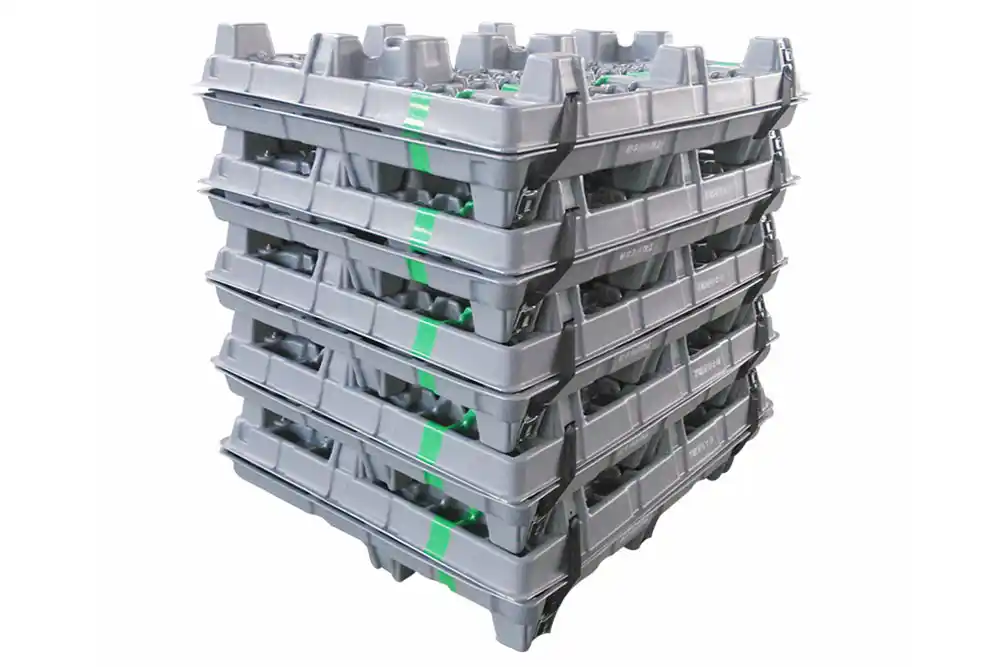
Production approval would require the component specification, material records, approved sample, drawing and trim revisions, and packaging plan. Where the customer requires a particular rating, the supporting scope and evidence would be identified separately.
A factual enclosure case would include the actual requirement, documented design decision, sample inspection and any relevant test report. This example has none of those project results. It demonstrates how to avoid a common procurement gap: buying a plastic shell while assuming the quotation includes the performance of the entire electrical assembly.
Approval checkpoints for this example project
- Requirements: customer-approved interfaces, operating conditions and acceptance criteria.
- Tooling: approved part and tool revisions, scope, ownership and change procedure.
- Samples: fit review and agreed inspection records before production approval.
- Repeat orders: controlled material, trim program, packaging and revision history.
Frequently asked questions
Can this example claim an IP rating?
No. A rating needs evidence for the relevant enclosure configuration and validation scope. A concept rendering or polymer name cannot establish it.
Are attachment bosses shown in the image a forming specification?
No. The AI concept is visual only. Fastening points may require separate inserts or attached components, subject to engineering review.
Discuss your own project
Explore our related product category and heavy gauge thermoforming guide. Send a drawing, intended use, material requirements and quantity forecast so the manufacturing scope can be reviewed for your component.
Editorial scope and technical references
Prepared on 13 October 2026 for HAWSON. The narrative, communication examples and concept image are simulated. No real customer outcome, independent test, certification or expert review is claimed. The following sources provide general technical context, not evidence of a completed project.
- Primex ABS sheet information: material selection requires the applicable grade and project specification.
- SPE Heavy Gauge Troubleshooting Guide: general forming-development reference; it does not validate this concept.
