







Heavy Gauge Thermoforming: Process, Materials, Applications, and Manufacturer Selection
Published by HAWSON · OEM Manufacturing Knowledge Base
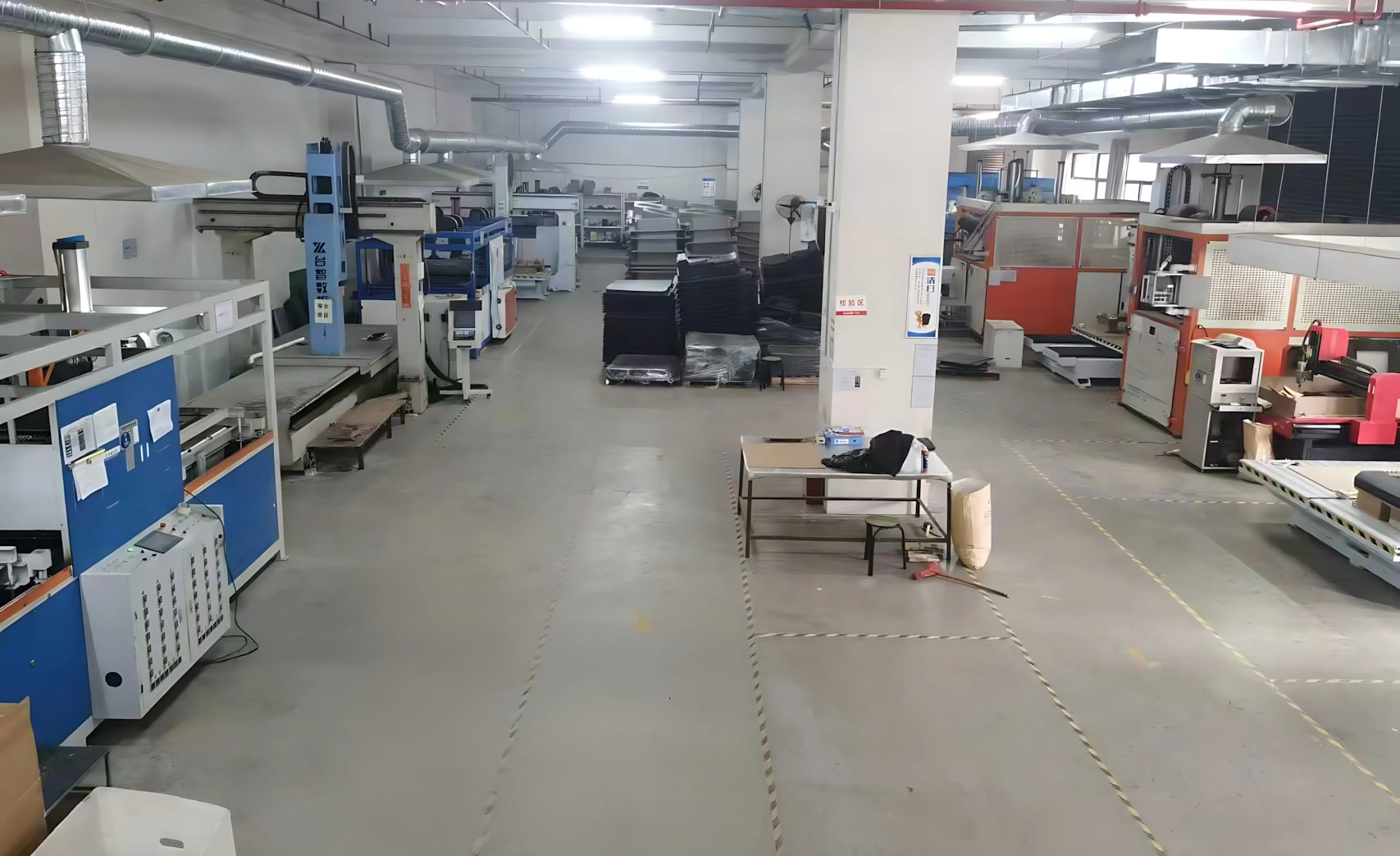
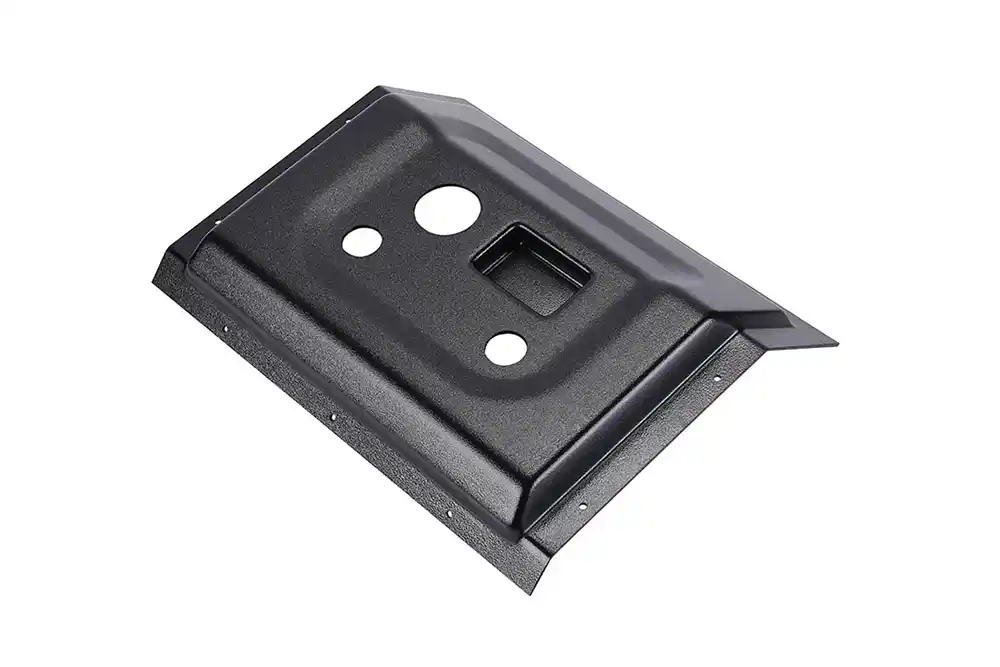
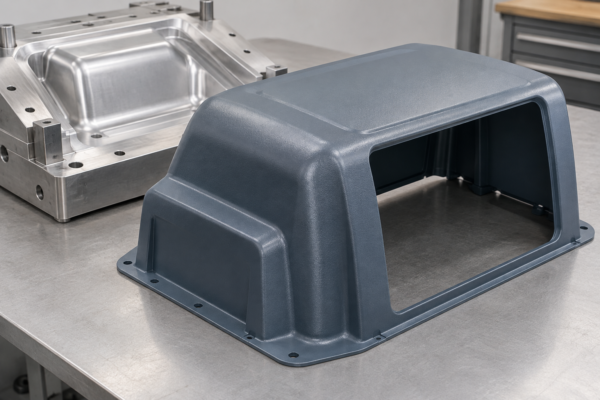
Heavy gauge thermoforming shapes heated thermoplastic sheet into durable components such as equipment housings, vehicle panels, industrial covers and reusable trays. The sheet is formed against a tool, cooled, then trimmed to create the finished component. Vacuum forming is one way to carry out this process; pressure forming and assisted forming approaches are other options.
For an OEM buyer, the practical question is whether the method can deliver the required shape, appearance, assembly fit and production economics. A large housing may be a good candidate, while a part with complex integrated features may justify a different manufacturing route. Decisions should start with the drawing and intended use.
This guide explains the process, material choices, design trade-offs and supplier questions that help turn an initial concept into a clear RFQ. Technical references are linked throughout. Project specifications, material grades and acceptance criteria still need to be agreed for your individual part.
What Is Heavy Gauge Thermoforming?
Definition and typical characteristics
Heavy gauge, or thick sheet, thermoforming commonly describes forming cut sheets into industrial components. Thin gauge work often uses roll-fed sheet for packaging. The distinction includes how material is supplied, the equipment arrangement and the intended product, as well as thickness.
There is no single thickness boundary used in every discussion. A SPE Thermoforming Division introductory article presents one classification with heavy gauge above 3.0 mm and a separate intermediate range. Treat that as a published classification example, rather than a universal purchasing standard. For an RFQ, state the actual starting gauge and minimum finished-wall requirement.
Heavy gauge thermoforming and vacuum forming
Thermoforming is the broader process family. Vacuum forming uses a pressure difference created by evacuating air between sheet and tool. Describing a part as “heavy gauge vacuum formed” identifies both a sheet-forming category and a forming approach. It does not describe an entirely separate material technology.
When comparing suppliers, explain the finish and feature requirements instead of relying only on process labels. Ask the supplier to identify the proposed forming approach and its implications for tooling, detail, wall distribution and secondary operations.
How Does the Heavy Gauge Thermoforming Process Work?
1. Product design and 3D modeling
Begin with the part envelope, mounting interfaces and intended environment. Include the features that cannot move, the surface that customers will see and any clearance needed for neighboring components. Provide a dimensioned drawing alongside the model so critical requirements are not left to interpretation.
During review, identify potential release problems, deep draws and difficult trim access. Mark open questions early. A drawing that distinguishes mandatory features from adjustable geometry gives the manufacturer room to propose a workable solution without losing the product’s function.
2. Mold design and tool manufacturing
Tool selection should consider expected use, thermal control, surface requirements and the forming approach. Vacuum evacuation, cooling and measurement provisions can matter as much as the visible mold shape. Tooling also needs a clear revision and approval process.
Walczyk and Yoo’s 2009 study describes a laminated tool with cooling zones, vacuum channels and sensors for a large heavy-gauge part. It provides research context for tool functionality. HAWSON’s tooling method and equipment scope are confirmed during project review.
3. Plastic sheet heating
The selected grade needs an appropriate heating method and processing window. Record the sheet specification, storage requirements and any supplier instructions for drying or masking. Heating conditions should be developed for the sheet and geometry rather than copied from a different polymer.
The SPE heavy-gauge troubleshooting guide identifies uneven heating among the contributors to several forming defects. For a buyer, the useful question is how the supplier develops, records and maintains the forming conditions for repeat orders.
4. Vacuum or pressure forming
Once the sheet is ready, it is shaped against the tool. The process must allow air to escape and material to reach the intended surfaces. The same troubleshooting guide links poor vacuum and tool-related issues with weak detail, and identifies heating and forming technique among the factors affecting thinning.
Review any sensitive texture, sharp transition or deep feature with the supplier before accepting the design. Ask whether a trial, tool adjustment or geometry change is required, and make sure the quotation explains how that development work is handled.
5. Cooling and demolding
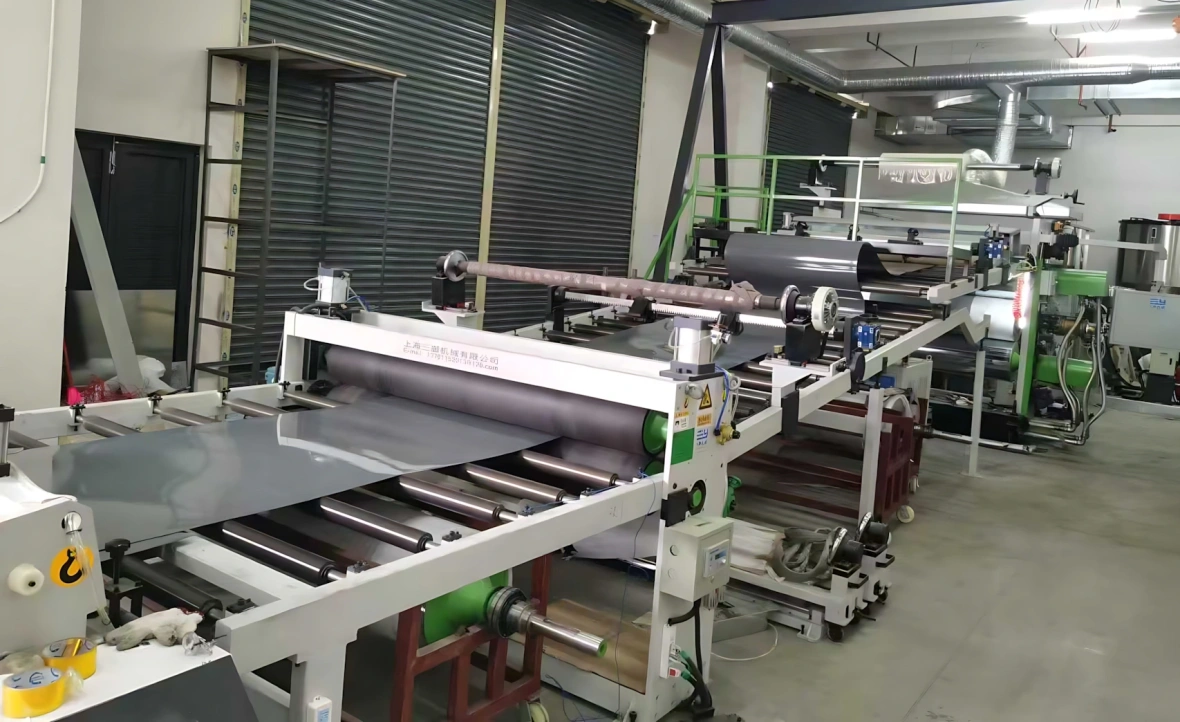
Cooling is part of the forming process, not merely waiting for a part to become easy to handle. Varedi, Buffel and Desplentere’s 2025 ABS study investigated cooling, residual stress and post-forming deformation. Their model and measurements connected non-uniform thermal conditions with dimensional deviation in the studied configuration.
This supports discussing cooling and inspection conditions when dimensional stability matters. The study’s results concern its specific ABS sheet and experimental setup. They do not establish the same deformation for every material or demonstrate HAWSON’s production tolerances.
6. CNC trimming and machining
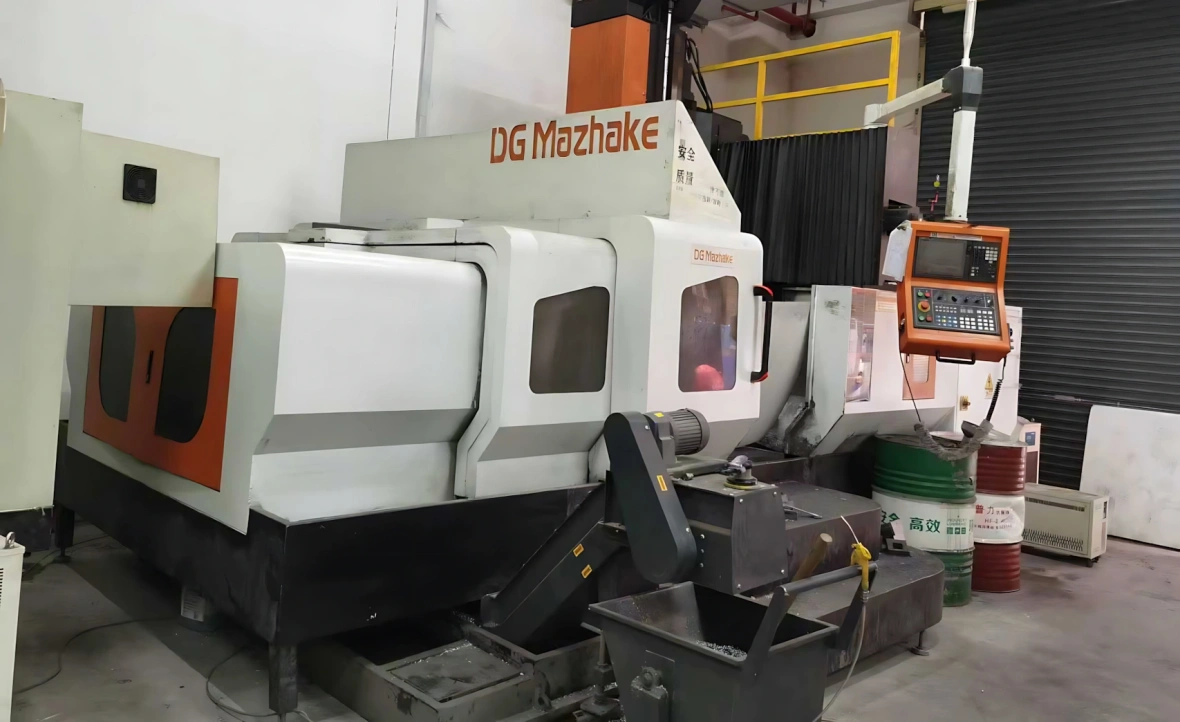
Trimming turns the formed blank into the intended part outline. Holes, cut-outs and mounting features should be identified on the drawing, with an agreed datum and inspection method. Confirm how the part will be held during machining and which surfaces control the assembly fit.
Separate requirements for formed geometry from those for machined features. A supplier’s general tolerance statement is less useful than written confirmation of the critical hole position, edge relationship or mating surface that matters to your assembly.
7. Inspection, assembly and packaging
Define the sample-approval record before production begins. Agree which dimensions, visual features and functional checks will be documented. Where the component has a visible finish, describe acceptable appearance using a reference sample or another measurable acceptance method.
Packaging should protect the areas that matter: visible faces, thin edges, mounting features and surfaces that must remain clean. Record the part revision, packaging configuration and shipping scope so repeat orders can be handled consistently.
Which Plastics Are Used in Heavy Gauge Thermoforming?
Choose sheet by the application and specific grade. Two sheets with the same polymer name may differ in additives, surface layers, impact behavior, color and approvals. Supplier data and the required service conditions should guide selection.
| Material | Why it may be considered | Questions for the drawing review |
|---|---|---|
| ABS | Tough, rigid sheet options for housings and covers. | Which grade, finish, exposure conditions and finished-wall requirements? |
| PP | Lightweight options with useful chemical-resistance characteristics. | Which chemicals and temperatures, and what stiffness and fit are needed? |
| PE / HDPE | Tough sheet options for trays, liners and industrial components. | What loads, wear, exposure and assembly requirements apply? |
| PMMA | Clear or colored acrylic options for appearance-focused components. | What optical quality, surface protection and handling conditions are required? |
| Other sheet families | HIPS, PETG and other materials may fit particular projects. | Is the proposed grade available and supported by relevant supplier information? |
ABS for durable housings and covers
Primex’s ABS sheet information describes impact resistance, rigidity, color and texture choices, including weatherable options. An ABS housing specification should therefore identify the required grade or performance needs, rather than simply request “black ABS.”
For a closer look at thickness, trimming and an RFQ checklist, read our ABS thermoforming design guide.
PP and HDPE for application-specific industrial parts
Primex’s PP range highlights chemical resistance, low moisture absorption and lightweight properties. Its polyethylene information covers a range of sheet options. Selection should identify the relevant grade, chemical exposure, working conditions and loading requirements.
Ask for the supplier data sheet and explain how the component will be cleaned, loaded and attached. For a reusable tray, for example, identify the contact points and the load distribution. For an enclosure, describe the mounting method and fit requirements. These details make material discussions more useful.
PMMA and specialty sheet materials
PLASKOLITE’s PMMA product information describes transparent and colored sheet options suitable for thermoforming. Its fabrication guide also explains that handling marks can become more visible after forming.
For an appearance-sensitive acrylic part, specify the viewing area, clarity, surface finish and protection requirements. Discuss material handling and sample acceptance before committing to a finish. Specific industry approvals should be checked against the actual grade and intended use.
Common Applications of Heavy Gauge Thermoforming
Automotive and utility-vehicle components
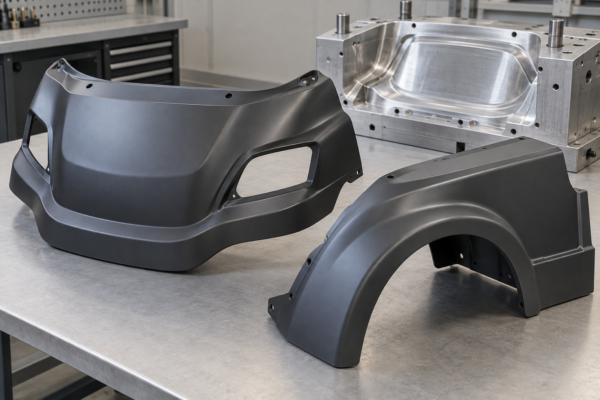
Body panels, interior covers and dashboard-related components are potential applications to review. Provide mounting interfaces, service access points and the expected exposure to heat, sunlight, cleaning and vibration. A drawing review should establish which requirements belong to the component and which depend on the complete vehicle system.
Explore HAWSON’s automotive and vehicle component categories, including golf body parts, as starting points for a custom inquiry.
Industrial machinery covers and equipment enclosures
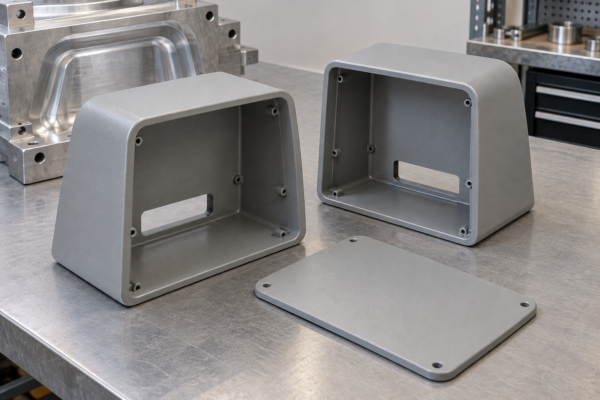
Large covers can combine an exterior appearance with protection, access and mounting functions. Identify panel interfaces, opening direction, service clearances and the surfaces that must fit a frame. Consider whether separate parts need to be assembled after forming.
For an electrical or EV-related enclosure, clarify heat sources, ingress requirements and any applicable rating. A plastic cover quotation should state its component scope; system-level testing and approval need their own responsibility and acceptance plan.
Medical equipment housings
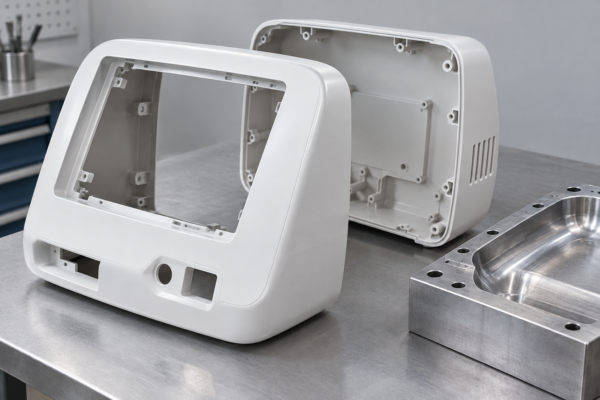
Medical-device exterior housings need a clear application brief, including cleaning procedures, appearance standards and assembly interfaces. Supplying an outer housing does not by itself establish compliance of the finished medical device. Document the customer’s component requirements and the evidence needed for the proposed material.
See our medical equipment housing category to discuss the shape and manufacturing scope for your project.
Reusable trays, protective panels and commercial parts
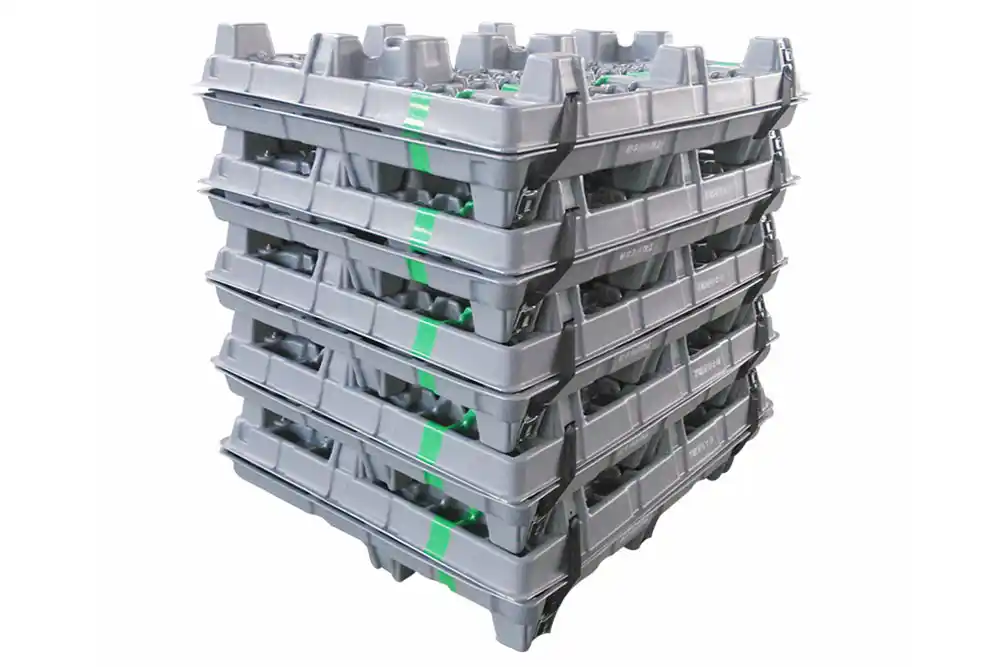
For handling trays, define the carried item, load locations, stacking arrangement and cleaning conditions. For commercial panels, identify exposed surfaces and visual acceptance requirements. Reference photographs can help explain intent, while dimensioned drawings establish the features that need to be reproduced.
HAWSON’s industrial tray categories and sanitary, architecture and commercial categories provide relevant inquiry entry points.
Heavy Gauge Thermoforming vs. Injection Molding
The right comparison is the total manufacturing scope for the same component and demand forecast. Ask suppliers to quote the same revision, material requirements, secondary work and delivery terms. A lower tooling estimate does not automatically mean a lower total project cost.
| Decision factor | Thermoforming discussion | Injection-molding discussion |
|---|---|---|
| Tooling | Review the forming tool, trimming fixtures and secondary tooling. | Review mold cavities, mechanisms and tooling maintenance. |
| Demand | Assess trial quantities, repeat orders and trimming workload. | Assess whether volume supports the tooling investment. |
| Part geometry | Review open-shell geometry, release and finished-wall distribution. | Review integrated features, flow, release and mold complexity. |
| Detail and fit | Separate formed features from CNC-machined interfaces. | Confirm the molded feature requirements and any secondary machining. |
| Design changes | Quote the effect on forming and trim tooling. | Quote the effect on mold rework or replacement. |
Large, open-shell components are worth discussing with a thermoformer, especially when the design and demand forecast are still developing. Components that need many integrated internal features also deserve an injection-molding assessment. These are screening questions, not a fixed volume cutoff or a promised percentage saving.
For a fair decision, compare the tooling charge, sample costs, recurring unit price, assembly work, scrap assumptions and change costs. Request a written explanation of the proposed route. If a supplier recommends changing the geometry, ask which requirement the change improves and whether the other process remains viable.
What Affects Heavy Gauge Thermoforming Cost?
A useful quotation identifies its assumptions. The following questions help expose differences between offers before you commit:
- Material and gauge: Is the quote tied to a named sheet grade, finish, color and starting thickness? What happens if those requirements change?
- Size and geometry: What blank size and forming approach are assumed? Has the supplier reviewed the critical wall locations and release requirements?
- Tooling scope: Are trials, fixtures, revisions, maintenance and storage included? Who owns the tooling, and what records will be supplied?
- Secondary operations: Are trimming, holes, assembly, painting or other finishing included, where requested?
- Quantity: What minimum order and batch assumptions apply? Are prototype and repeat-production prices separated?
- Inspection and delivery: Which reports, packaging and shipping terms are included?
Keep the first order and expected repeat demand visible in the RFQ. If the initial drawing is incomplete, label the quote as preliminary and list the missing inputs. Before ordering, reconcile the final part specification with the quotation revision.
There is no meaningful universal mold price for every custom enclosure. Tool size, function, material and agreed development work differ. Comparing a headline price without those details can hide a tooling revision or inspection cost that appears later.
How to Choose a Reliable Heavy Gauge Thermoforming Manufacturer
Check the equipment envelope for your part
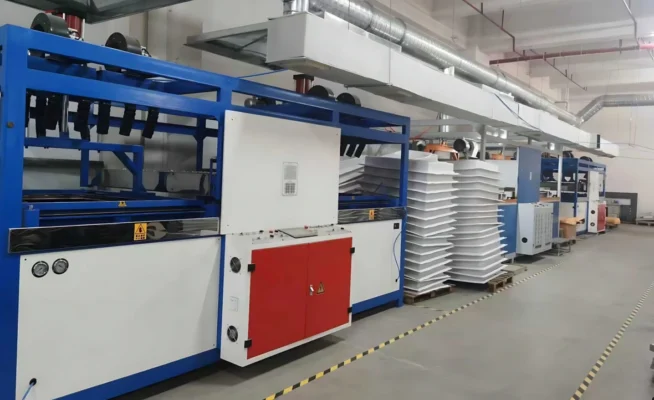
Ask for confirmation of usable sheet size, draw depth, access for trimming and any limitations caused by your geometry. A headline machine dimension is a starting point, not approval of a finished design. Send the drawing before relying on an equipment claim.
HAWSON’s published forming capability is up to 2000 × 1500 mm for suitable designs. Material, thickness, geometry and tooling requirements are reviewed individually. Confirm the applicable working envelope and process scope in the project quotation.
Review tooling, CNC work and responsibility
Clarify who reviews the drawing, develops the mold, trims the part and approves changes. Request a simple responsibility list when outside operations are involved. Ask which documentation and files remain available to the customer after tooling approval.
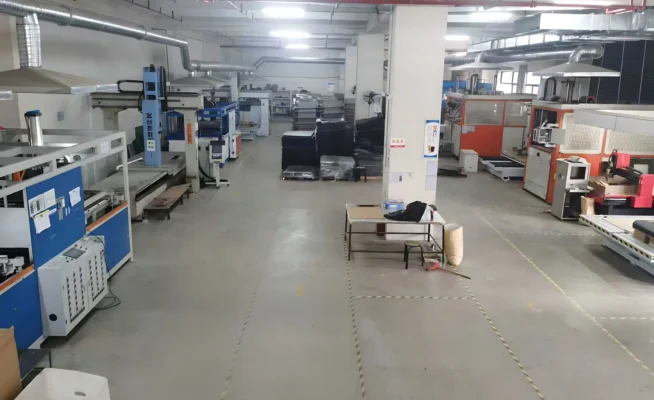
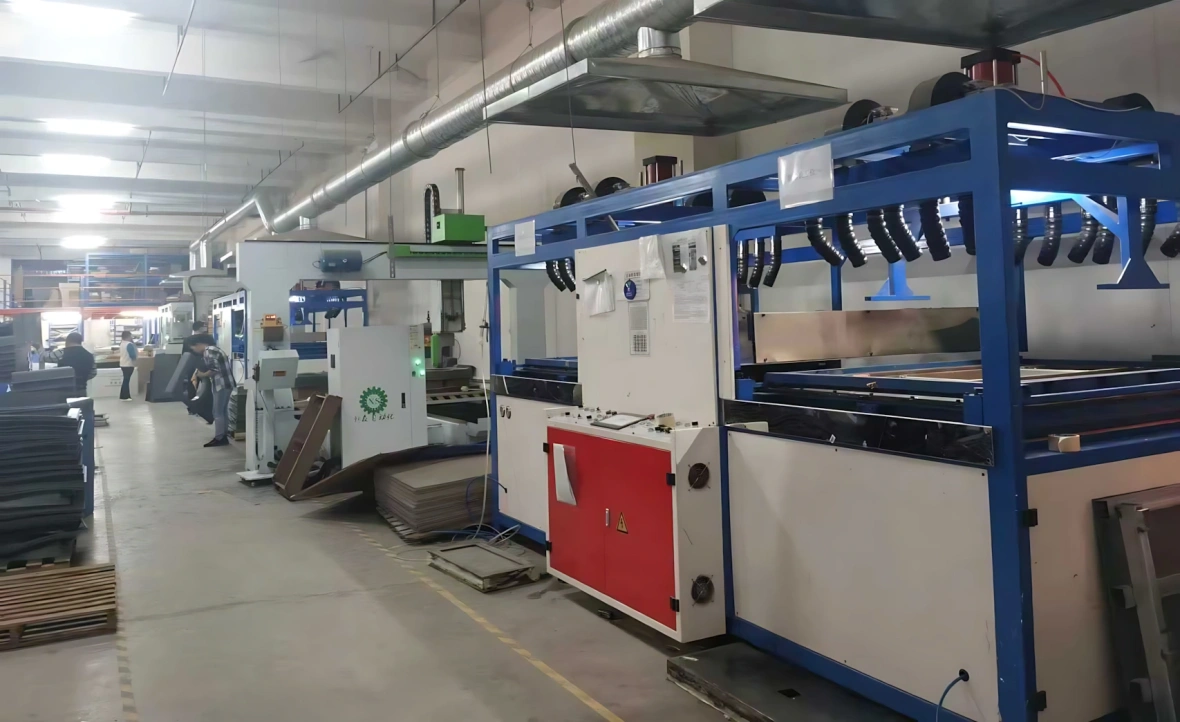
A shop photograph is useful context; evidence linked to your part is stronger. Relevant samples, agreed inspection methods and a clear sample-approval record make capability claims easier to evaluate.
Ask about traceability and quality control
Discuss how material specification, part revision and inspection requirements will be recorded. Ask whether material certificates or supplier documentation can be provided when required. Confirm which checks are standard and which need a separate agreement.
For repeat orders, ask how changes in sheet supply, process conditions or tooling are handled. Agree the notification and approval process before production. This helps prevent a visually similar replacement material from being accepted without checking the required performance.
Confirm samples, timing and shipment
Request a development schedule covering technical review, tooling, samples and production. Identify the customer approvals needed at each stage. A delivery date should state the assumptions that support it, including drawing approval and material availability.
Discuss protective packaging, destination, transport terms and export documentation. Reference samples and delivery records should relate to a comparable scope. Customer identities or case photographs should be shared with permission.
Evaluate how the supplier answers questions
A useful technical response distinguishes confirmed requirements from open questions. It explains the proposed material and manufacturing route, identifies features needing review and states what evidence will support approval. Ask for those points in writing so purchasing and engineering work from the same information.
Visit HAWSON’s factory and manufacturing overview for company context, then request confirmation against your own component specification.
Frequently Asked Questions About Heavy Gauge Thermoforming
What thickness is considered heavy gauge?
Definitions vary. The SPE introductory classification cited above uses more than 3.0 mm as one example. In purchasing discussions, specify the actual starting sheet thickness and the required finished wall instead of relying on the category name alone.
How is heavy gauge thermoforming different from vacuum forming?
Heavy gauge describes a sheet-forming category. Vacuum forming describes the forming approach. A component can therefore be both heavy gauge and vacuum formed; the terms answer different questions about the process.
Which plastic is best?
Choose by the application: environment, impact exposure, stiffness, cleaning, appearance and any documented requirements. Compare suitable sheet grades and request supplier data. The right choice for a tray may differ from the right choice for a visible housing.
Is it suitable for low-volume production?
It can be worth evaluating for smaller production runs. Confirm tooling, trial work, minimum orders and secondary operations, then compare total cost against alternative processes. No single order quantity makes thermoforming the best choice for every design.
How much does a mold cost?
A supplier needs the part geometry, material, quantity forecast and tooling scope. Ask for a quotation that separates development, trials and recurring part costs. Published examples from other projects are not a current quotation for your component.
Can thermoformed parts be CNC machined?
HAWSON’s published capabilities include CNC trimming. Identify the holes, edges and interfaces that require machining, then agree access, fixturing, tolerances and inspection for your part.
Which files are needed for a custom quotation?
Send a 3D model if available, a dimensioned drawing, revision information and reference photographs. Include material preferences, thickness requirements, color, finish, quantities and destination. If a model is unavailable, describe the missing information and request a preliminary review.
Request a Custom Heavy Gauge Thermoforming Quote
Share your drawing, reference photographs, material requirements and estimated order quantity with HAWSON. Mark critical interfaces and finished-wall locations, and describe the conditions the component must withstand. Our team can discuss manufacturing feasibility, tooling options and a quotation based on the agreed specification.
For an initial inquiry, explain what is ready and what still needs development. This helps separate a preliminary estimate from a production quotation and gives the technical review a clear starting point.
Send Your Drawing for a Project Review
About This Guide and Technical References
Published by HAWSON for OEM purchasing and engineering discussions. The production photographs are from the company’s existing factory image library. This article combines published technical information with a practical procurement checklist; project performance is established through the approved specification and agreed checks. Prepared on 13 October 2026.
- SPE Thermoforming Division. Thermoforming 101 introductory series; Heavy Gauge Troubleshooting Guide.
- Walczyk, D. F., and Yoo, S. (2009). Design and fabrication of a laminated thermoforming tool with enhanced features. Journal of Manufacturing Processes, 11(1), 8–18. DOI: 10.1016/j.jmapro.2009.04.003.
- Varedi, S. R., Buffel, B., and Desplentere, F. (2025). Post-forming deformation and thermal residual stress prediction in vacuum thermoformed ABS sheets. Journal of Manufacturing Processes, 155, 1162–1170. DOI: 10.1016/j.jmapro.2025.10.087.
- Primex Plastics. ABS, PP and PE sheet information.
- PLASKOLITE. OPTIX PMMA sheet and fabrication guidance.
Further reading: a related but distinct forming process
Zhu, H., Ou, H., and Popov, A. (2020), Incremental sheet forming of thermoplastics: a review, The International Journal of Advanced Manufacturing Technology, 111, 565–587, DOI: 10.1007/s00170-020-06056-5, reviews incremental sheet forming. It is offered as wider research context, rather than direct validation of heavy gauge vacuum forming.
