





Custom Heavy Gauge Thermoforming: How to Choose the Right Process
Summary: Choose custom heavy gauge thermoforming by matching the part’s function, geometry, material grade and production quantity to the forming process. Vacuum forming suits many open shapes, pressure forming offers finer surface detail, and twin-sheet forming creates hollow or double-wall structures. Confirm finished wall thickness, fit and performance through sample testing before approving production.
HAWSON’s service scope: HAWSON provides vacuum forming for custom heavy gauge plastic parts. This article also compares pressure forming and twin-sheet forming as industry alternatives.
Start With the Part’s Function
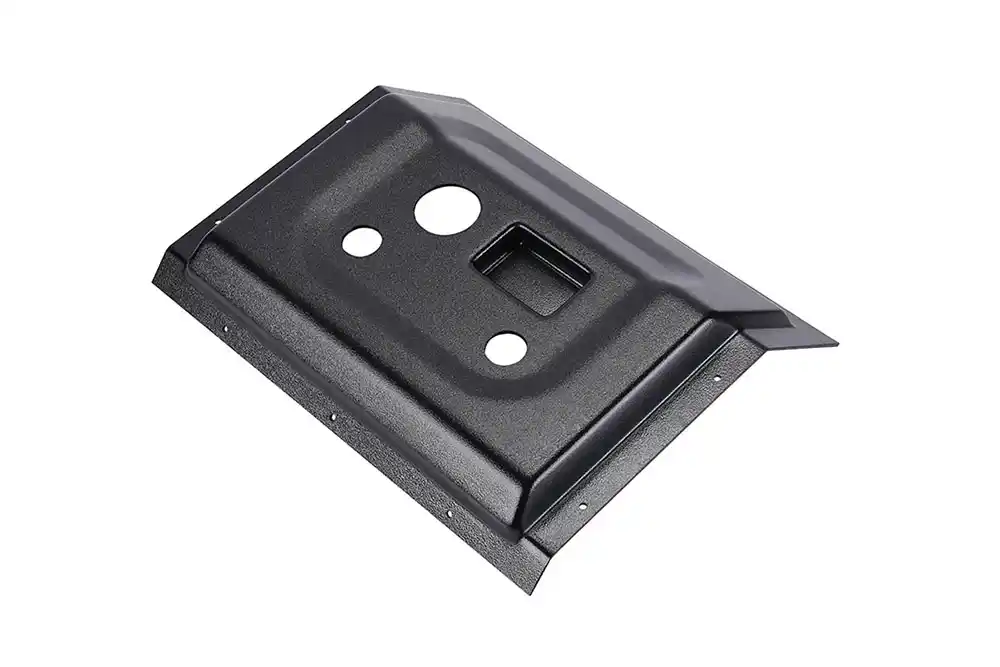
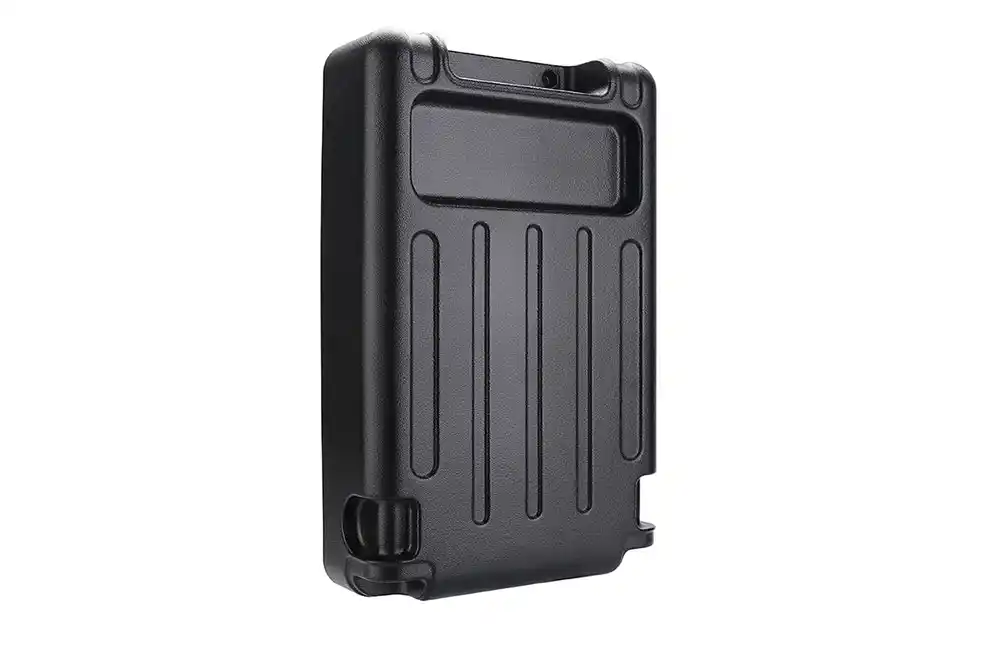
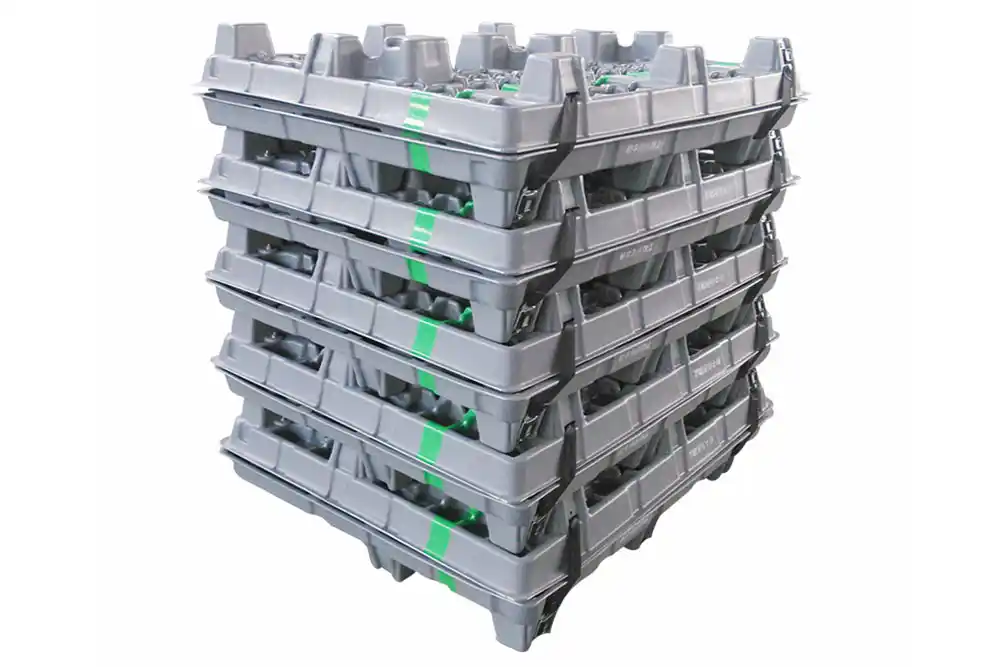
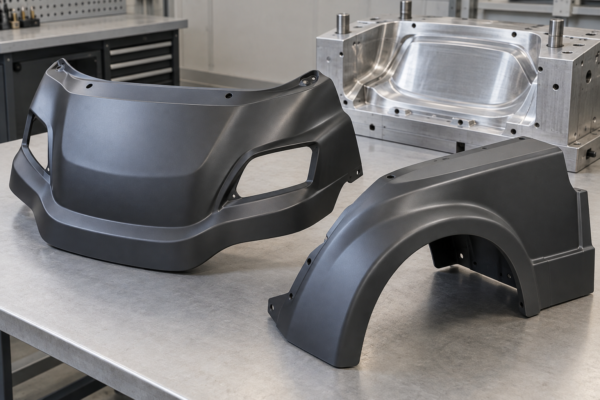
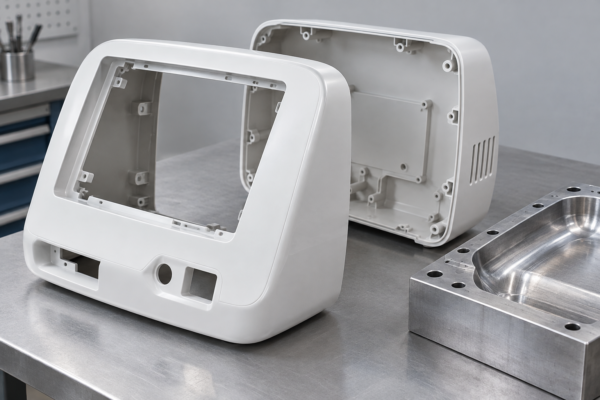
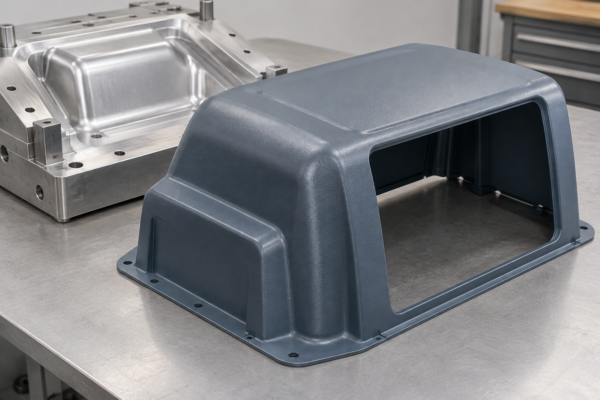
Heavy gauge thermoforming shapes heated plastic sheets into products such as equipment housings, trays, guards and panels. The same product can use different forming methods, depending on its design and performance requirements. Universal Plastics
| Product type | Main requirements to define |
|---|---|
| Equipment housings and bezels | Assembly fit, appearance and service access |
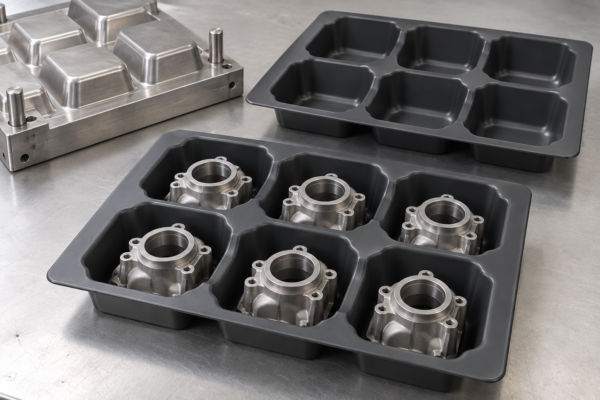
| Reusable trays and pallets | Load capacity, impact resistance and stacking |
| Transparent guards | Visibility, impact performance and cleaning conditions |
| Vehicle interior panels | Surface durability and application-specific requirements |
| Hollow panels and ducts | Stiffness, joint quality and any sealing requirements |
| Bins and catch basins | Chemical exposure, temperature and load |
Describe these requirements before choosing a material or requesting a quotation. For the wider manufacturing workflow and supplier checklist, see HAWSON’s heavy gauge thermoforming guide.
Compare Vacuum, Pressure and Twin-Sheet Forming
Vacuum forming uses vacuum to pull a heated sheet against a mold. It is a starting point for many trays, covers and open housings.
Pressure forming adds positive pressure to reproduce finer surface details. Consider it for visible equipment enclosures, textured surfaces and more defined features. Neither process guarantees uniform wall thickness. Universal Plastics process guide
Twin-sheet thermoforming forms two sheets and joins them at designated locations, creating double-wall or hollow parts. It is worth evaluating for panels, containers and components requiring features on both sides. Specify and test any load-bearing or sealing requirements. Twin-sheet forming guide
Select a Specific Material Grade
Common candidates include ABS, polycarbonate, PETG, acrylic, HDPE and polypropylene. Material families provide an initial shortlist; the exact grade determines suitability.
| Material | Initial selection focus |
|---|---|
| ABS | Opaque housings and general formed components |
| Polycarbonate | Transparent parts requiring impact performance |
| PETG | Clear components requiring good formability |
| Acrylic | Transparency and appearance |
| HDPE or PP | Applications requiring assessment of chemical exposure and loading |
Review the supplier’s technical data sheet against operating temperature, cleaning agents, impact and outdoor exposure. HDPE and PP also require attention to processing conditions because their forming windows differ from materials such as ABS. Curbell Plastics material guidance
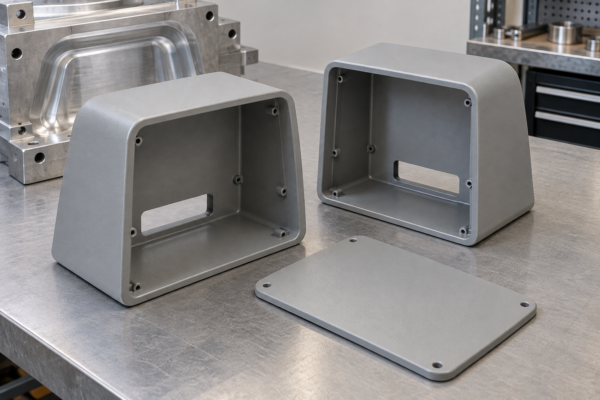
For ABS housings and covers, our ABS thermoforming design guide explains thickness, draft, trimming and quotation considerations.
Define Finished-Part Requirements
Starting sheet thickness is not finished wall thickness. Material stretches during forming, so thickness varies across the part. Deep sections and corners need particular attention.
Ask the supplier’s design-for-manufacturing review to address:
- Minimum wall thickness at critical locations.
- Draft angles, radii and undercuts.
- Which surface controls fit and appearance.
- Trimmed dimensions, holes and assembly tolerances.
Approve measured samples rather than relying only on nominal sheet thickness. Gemstar design guidelines
Compare Complete Supplier Proposals
Give each supplier the same drawings, annual quantities, material requirements and acceptance criteria. Request separate costs for tooling, samples, forming, trimming, finishing, inspection and delivery.
Before placing an order, agree on material traceability, sample approval, change control and application-specific tests. For international purchases, identify the destination market’s requirements rather than assuming a material name establishes compliance.
FAQ
What is the difference between heavy gauge and thin gauge thermoforming?
Heavy gauge generally refers to thicker-sheet applications such as durable housings and panels. Published thickness boundaries vary, so confirm the supplier’s range for your material and part geometry.
Is pressure forming always better than vacuum forming?
No. Pressure forming offers finer surface detail, but selection should follow the part’s geometry, finish requirements and complete project quotation.
Does twin-sheet forming produce watertight parts?
Do not assume so. If watertightness matters, specify the joints, operating conditions and leak-test acceptance criteria.
What should I send for an accurate quotation?
Provide drawings or CAD files, quantities, material requirements, operating conditions, critical dimensions, minimum finished wall thickness and required tests.
To discuss a custom part with HAWSON, send your drawings and project requirements. Ask the team to review your design for vacuum forming and confirm the material grade, tooling and inspection scope.
