



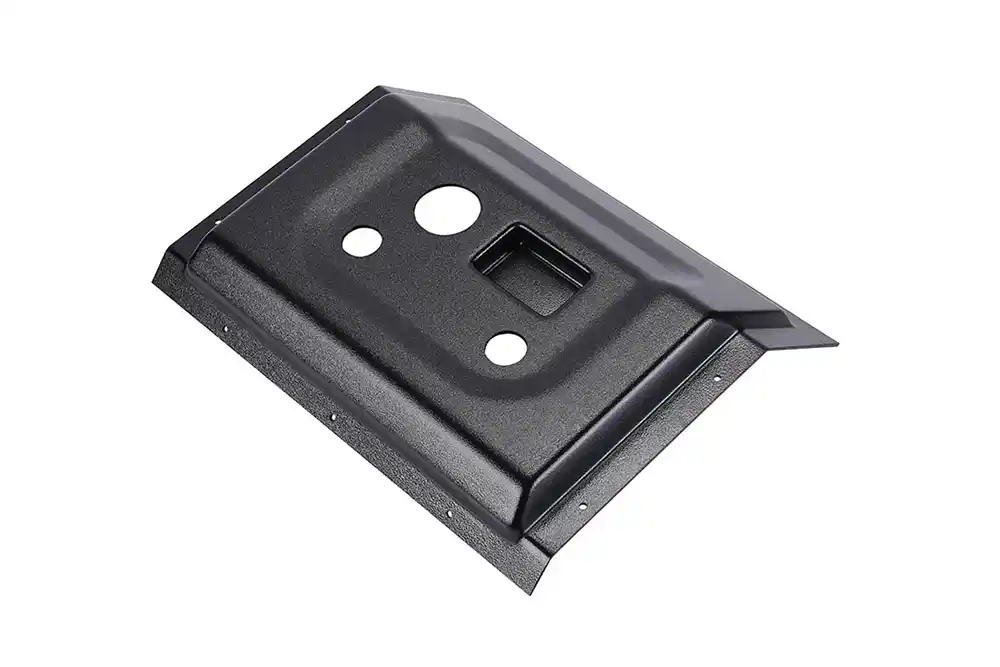
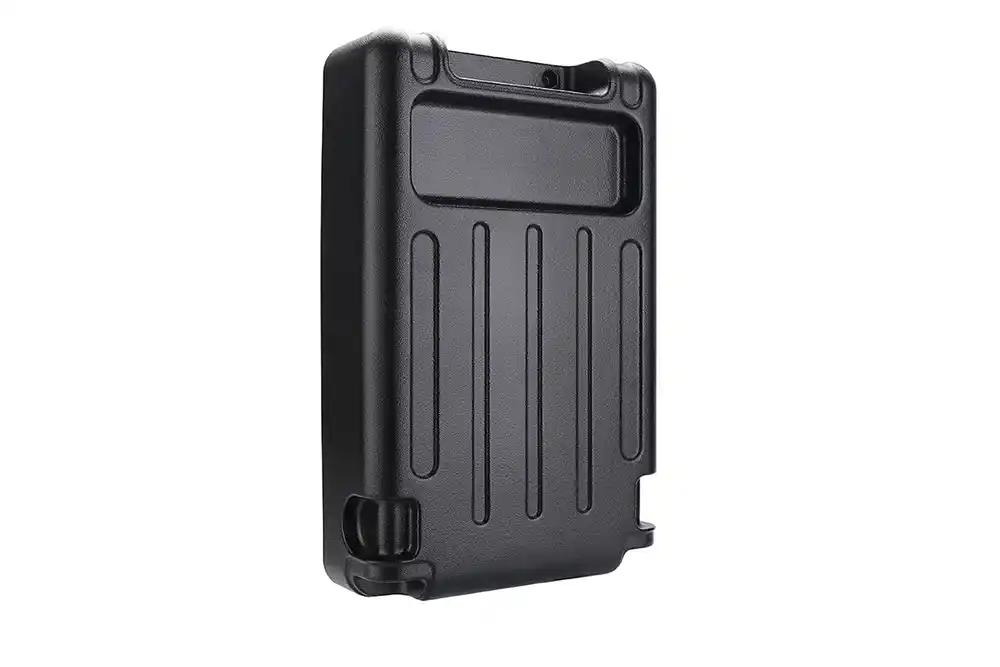
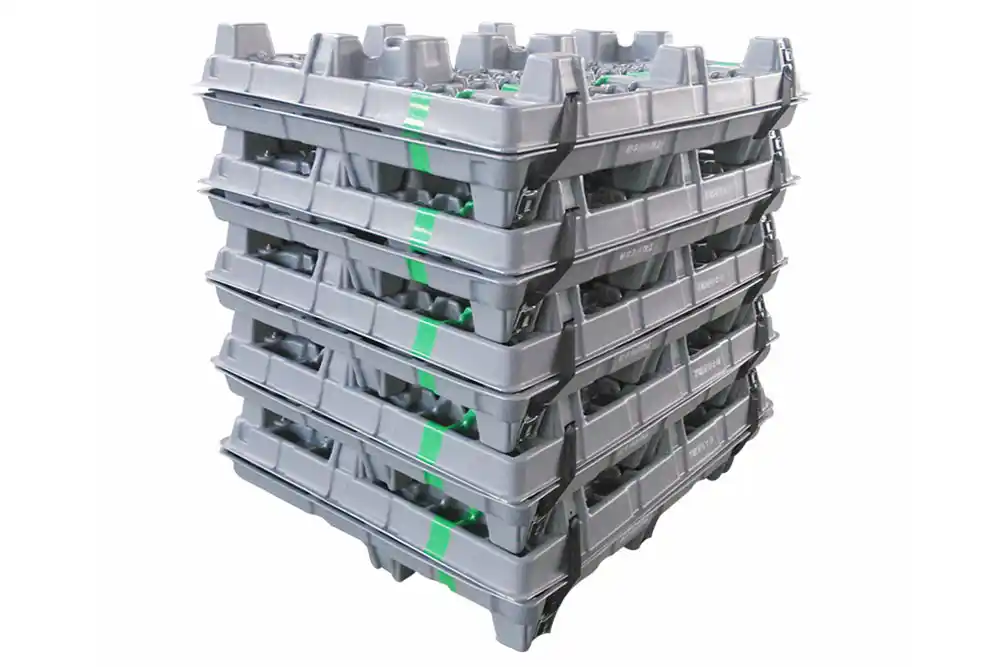

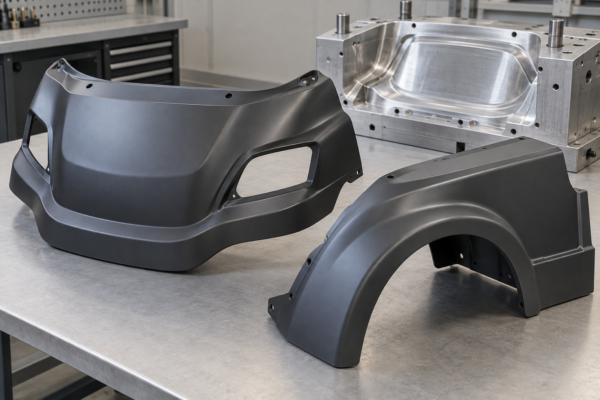
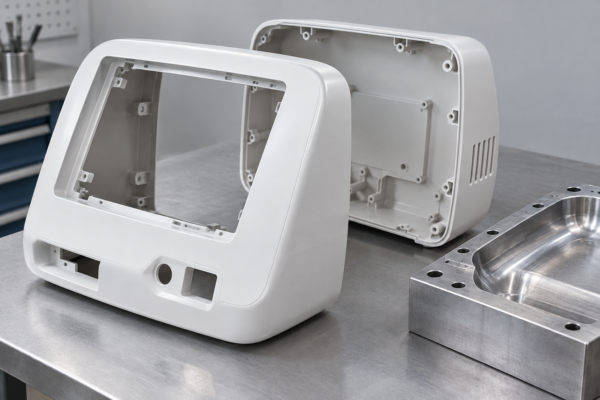
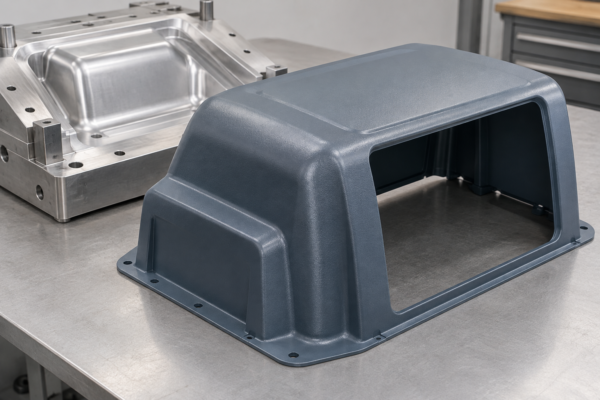
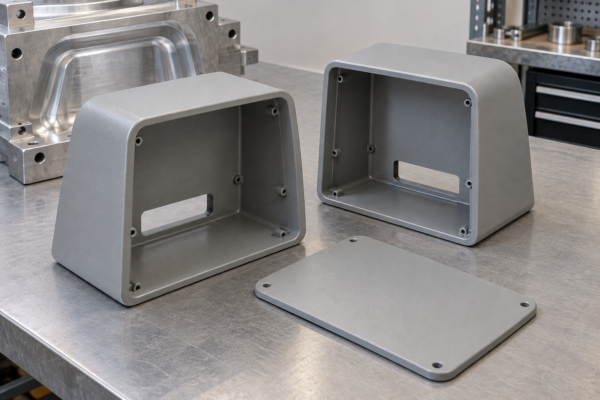
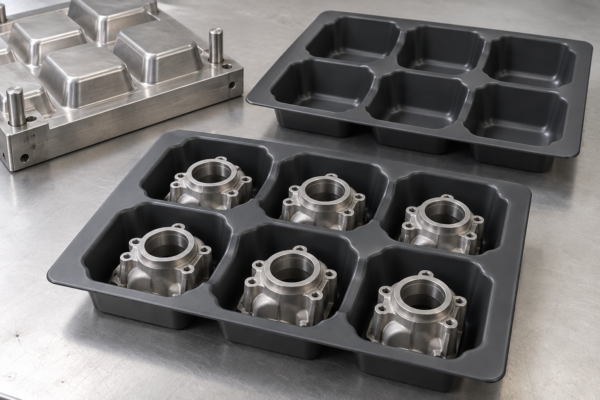

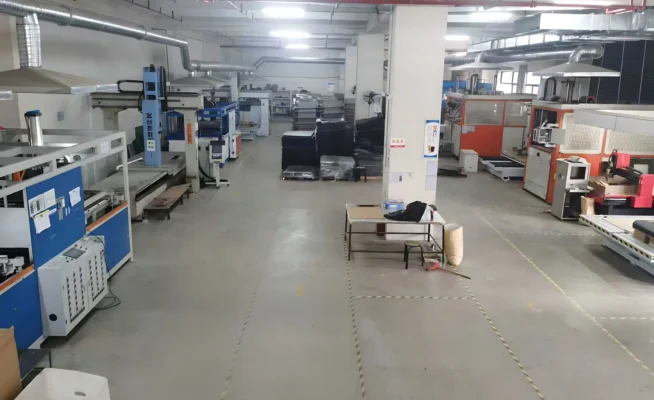
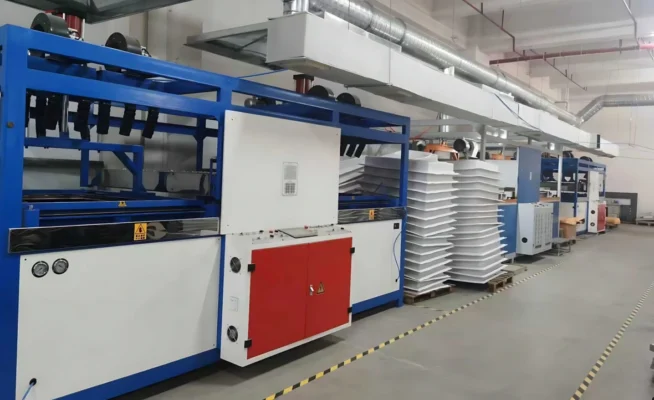
Heavy gauge thermoforming is a sheet-forming process used to make large, shaped thermoplastic parts. A plastic sheet is heated until it can be formed, drawn against a mold with vacuum or pressure, cooled, and trimmed to its final outline. Depending on the part, the process may also use a plug assist or other forming aids. It is commonly considered for equipment housings, machine guards, vehicle interiors, display covers, and trays. The term “heavy gauge” is used differently by suppliers, so confirm the material thickness and process capability for each project.
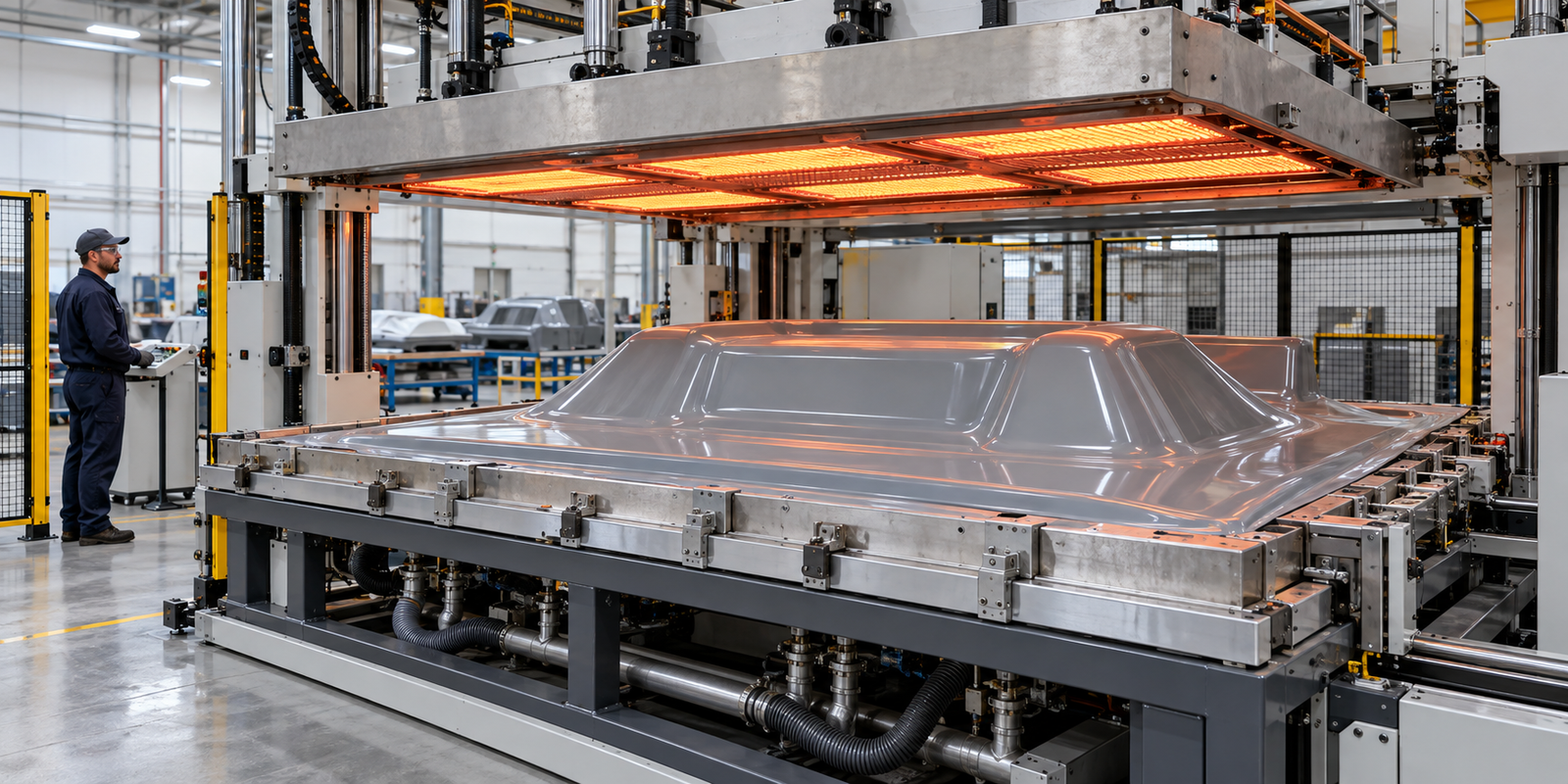
How the Heavy Gauge Thermoforming Process Works
- Review the part and requirements. Confirm the intended use, overall dimensions, assembly interfaces, cosmetic surfaces, operating environment, production volume, and critical dimensions.
- Select the sheet and mold approach. Choose a resin grade based on impact, temperature, weathering, chemical exposure, color, surface finish, and compliance requirements. Then select a mold and forming method that suit the geometry.
- Heat the sheet. Heat the sheet evenly into the forming window for its specific grade and thickness. Temperature and heating time depend on the material, equipment, and process setup; they should be validated rather than assumed from a generic value.
- Form the part. Move the softened sheet over or into the mold. Vacuum or pressure pulls the material against the mold surface. Deep draws or complex shapes may benefit from plug assist or another forming aid.
- Cool and release. Cool the part sufficiently to retain its shape, then release it from the mold. Cooling conditions can affect dimensional stability, warpage, and surface quality.
- Trim and inspect. Remove excess material along the agreed trim line. Inspect critical dimensions, wall-thickness distribution, appearance, flatness, and assembly features. Drilling, bonding, painting, printing, or assembly can be added when required and confirmed for the project.
Choosing a Thermoplastic Sheet
Candidate materials may include ABS, PC, PMMA, PETG, HDPE, PP, and modified or blended grades. These materials differ in impact performance, clarity, weatherability, temperature resistance, chemical resistance, forming window, and suitability for post-processing. For a clear cover, a project may compare PC, PMMA, or PETG grades. For outdoor, impact, or chemical exposure, evaluate the exact grade against the service environment. These are screening examples, not a guarantee that every grade is suitable.
Check the supplier’s technical data sheet for the exact grade, color, finish, and any applicable flame-retardant, food-contact, or RoHS requirements. A generic polymer name does not establish a specific performance level or certification. Sample forming and testing may be needed before final selection.
Design Considerations: Forming Changes Wall Thickness
As the sheet stretches over a mold, the finished wall thickness can vary. Deep-draw areas, corners, and abrupt geometry changes are often more prone to thinning. The actual distribution depends on the resin, starting sheet thickness, heat uniformity, mold design, and process settings. For load-bearing, mounting, or safety-related regions, identify the critical zones early and verify them with formed samples or measured parts.
- Manage draw depth. Avoid demanding a very deep draw within a narrow area. For complex shapes, consider geometry changes, split parts, or forming aids.
- Use suitable radii. Sharp corners can concentrate stretching and contribute to local thinning. Select inside and outside radii based on appearance, strength, and release requirements.
- Allow for release from the mold. Side walls generally need draft. The required angle depends on mold orientation, material shrinkage, surface texture, and part geometry; confirm it during design-for-manufacturing review.
- Review undercuts and fine details. Undercuts, deep narrow channels, and sharp projections may require split tooling, secondary operations, or a multi-part design, adding complexity and cost.
- Define trim and assembly datums. Specify trim lines, hole locations, fastening methods, and critical mating dimensions. Separate cosmetic dimensions from functional tolerances.
Advantages and Limitations
Heavy gauge thermoforming is worth evaluating for large, thin-walled, curved, or enclosure-style parts. For some designs, tooling investment, part size, or geometry may make it a good alternative to injection molding. Cost depends on production volume, sheet usage, tooling, trimming labor, secondary operations, and quality requirements; the process name alone cannot determine which option is less expensive.
Wall-thickness variation, fine detail, undercuts, dimensional consistency, and trim quality must be assessed against the application. If a part needs very fine features, tightly controlled uniform wall thickness, complex internal geometry, or very high production volume, compare thermoforming with injection molding, joined components, or other manufacturing methods. Confirm the choice through drawing review, trials, and agreed inspection criteria.
What to Prepare for a Quote or Design Review
To support an initial review, provide a 3D file such as STEP and/or a dimensioned 2D drawing, together with:
- Part function, overall dimensions, and critical assembly dimensions;
- Preferred resin and target sheet thickness, plus color and surface finish (or the required performance if the material is undecided);
- Estimated annual demand, batch size, or initial order quantity;
- Operating temperature, outdoor exposure, chemical contact, and load requirements;
- Hole locations, inserts, bonding, painting, printing, or other secondary operations;
- Any applicable certification, flame-retardant, or regulatory requirements.
During review, agree on the material grade, areas where finished wall thickness matters, critical dimensions and tolerances, trim method, and inspection approach. Early-stage photos, sketches, and use conditions can help frame the discussion, but they do not replace final drawings and sample validation.
Frequently Asked Questions
Does the finished part keep the same thickness as the original sheet everywhere?
No. Forming stretches the sheet, so thickness can vary across the part. Deep draws and corners deserve particular attention. Verify finished thickness where it affects performance or assembly.
Can a thermoformed part be made as one piece?
That depends on the geometry, release direction, undercuts, dimensions, and assembly requirements. Some parts can be formed in one piece; more complex designs may need split tooling, design changes, or joining operations.
What is the difference between vacuum forming and pressure forming?
Both methods form a heated sheet against a mold, but they apply the forming force differently. The appropriate option depends on the required detail, surface, geometry, equipment, and project economics.
Technical References
- MIT 2.810: Thermoforming lecture material
- Stratasys: Thermoforming design guide
- SPE Thermoforming Division: Industry technical resources
Editorial note: This article provides a general introduction for early-stage design discussions. Confirm material grades, formable thickness, equipment capability, tolerances, and compliance against supplier documentation, drawing review, and sample validation.
